/ /

Padmasambhava (Guru Rinpoche): Background, Legends, Meanings & Wearing Taboos | Tibetan Gau Box & Thangka Guide

| Zen Rhymeart

In Tibetan Buddhism, few figures are as revered and iconic as Padmasambhava—known to practitioners as Guru Rinpoche, or the "Precious Guru." Revered as the "Second Buddha," he is the spiritual master who brought Vajrayana (Tantric) Buddhism to Tibet, tamed negative forces, and laid the foundation for Tibetan Buddhist culture as we know it today. For those who cherish Tibetan spiritual art—especially our handcrafted gau boxes (ga'u boxes) and thangkas featuring Guru Rinpoche—understanding his story, symbolism, and sacred taboos is key to honoring his legacy and embracing the blessings these pieces carry. This guide dives deep into Padmasambhava’s true history, timeless legends, profound meanings, and essential wearing/respect practices, tailored for anyone seeking to connect with his wisdom through our sacred artifacts.
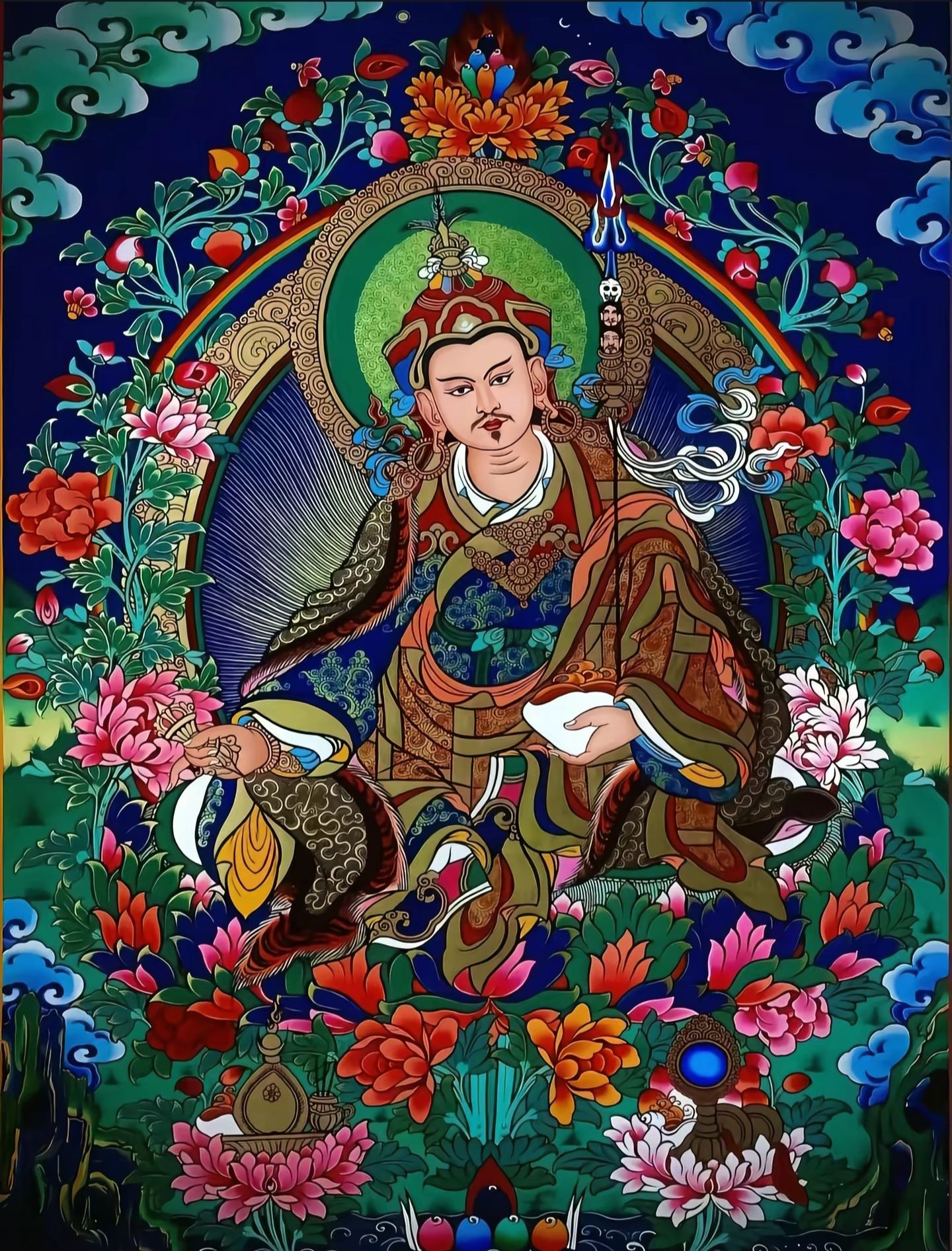


Who Was Padmasambhava (Guru Rinpoche)? A True Background

Padmasambhava, whose name translates to "Lotus-Born," was not born in the conventional way—according to the most cherished Tibetan traditions, he emerged spontaneously as an 8-year-old child, seated on a blooming lotus flower in Dhana Kosha Lake in the sacred kingdom of Oddiyana (modern-day Swat Valley in Pakistan, a region celebrated as one of the four great Tantric Buddhist sites). This miraculous birth symbolized his pure, untainted nature—like a lotus rising from mud, he transcended worldly impurities to bring enlightenment to humanity.
Though some accounts note he was adopted by King Indra Bodhi of Oddiyana and raised as a prince, Padmasambhava soon renounced royal life, driven by a calling to pursue spiritual awakening. He traveled across India and Nepal, studying under countless accomplished masters, mastering Tantric practices, and attaining profound spiritual powers (siddhis). In the 8th century CE, he was invited to Tibet by King Trisong Detsen, who sought to establish Buddhism in a land where the indigenous Bon religion and local spirits posed obstacles to its spread.
Guru Rinpoche’s mission in Tibet was transformative: he tamed hostile spirits (converting many to Buddhist protectors, including the Twelve Tenma Goddesses), harmonized Buddhist teachings with Bon traditions to make the faith accessible to Tibetans, and co-founded Samye Monastery—the first official Buddhist monastery in Tibet, modeled after India’s Odantapuri Monastery and blending Tibetan, Chinese, and Indian architectural styles. He also hid sacred texts and artifacts (called terma, or "treasures") throughout Tibet to be discovered by future practitioners, ensuring his teachings would survive for centuries. Today, he is the foundational figure of the Nyingma School—the oldest school of Tibetan Buddhism—and his image is a staple in Tibetan spiritual art, including the gau boxes and thangkas we craft for our community.

Timeless Legends of Guru Rinpoche: Stories That Inspire Faith

Padmasambhava’s life is woven with extraordinary legends that highlight his compassion, wisdom, and supernatural power—stories that have been passed down for over a millennium and are often depicted in our gau box engravings and thangka paintings. Here are the most beloved tales, each deeply tied to his mission to spread Dharma:

1. Taming the Demons of Tibet

When Guru Rinpoche first arrived in Tibet, the land was ruled by powerful spirits and demons who opposed Buddhism, causing natural disasters and obstructing spiritual practice. King Trisong Detsen, eager to establish the faith, begged Guru Rinpoche to intervene. The Precious Guru responded with courage and compassion: he traveled across Tibet, confronting each spirit not with anger, but with wisdom, offering them a choice to either embrace Dharma or be subdued. One famous account tells of him taming the fierce spirit of Lake Manasarovar, converting it into a protector of Buddhism. These tales are why Guru Rinpoche is often depicted in thangkas and gau boxes with a wrathful yet compassionate expression—symbolizing his ability to conquer darkness with light.

2. The Miracle of Samye Monastery

When building Samye Monastery, King Trisong Detsen faced a seemingly insurmountable obstacle: each night, the spirits would destroy the walls and materials built during the day, thwarting the project at every turn. Guru Rinpoche stepped in, performing sacred fire rituals (smoke offerings) to communicate with the spirits. Through his compassion and power, he persuaded them to abandon their resistance and even assist in building the monastery—accelerating its completion. The monastery’s design, with its central temple representing Mount Meru (the cosmic center of Buddhism) and surrounding chapels symbolizing the four continents, reflects Guru Rinpoche’s vision of harmony between the spiritual and physical worlds—a vision we honor in our intricately designed gau boxes and thangkas.

3. Hiding the Terma: A Legacy for Future Generations

Before leaving Tibet, Guru Rinpoche foresaw a time when his teachings would be forgotten or corrupted by worldly greed. To preserve the pure Dharma, he hid thousands of sacred texts, relics, and teachings (terma) in mountains, caves, lakes, and even within the hearts of his disciples—entrusting them to be discovered by "treasure revealers" (tertons) in future centuries when humanity would need them most. Many of these terma texts are still being discovered today, and they remain a vital part of Tibetan Buddhist practice. This legend is why our gau boxes—traditionally used to hold sacred relics, mantras, or small thangkas of Guru Rinpoche—are seen as modern-day "treasure boxes," carrying his blessings forward.
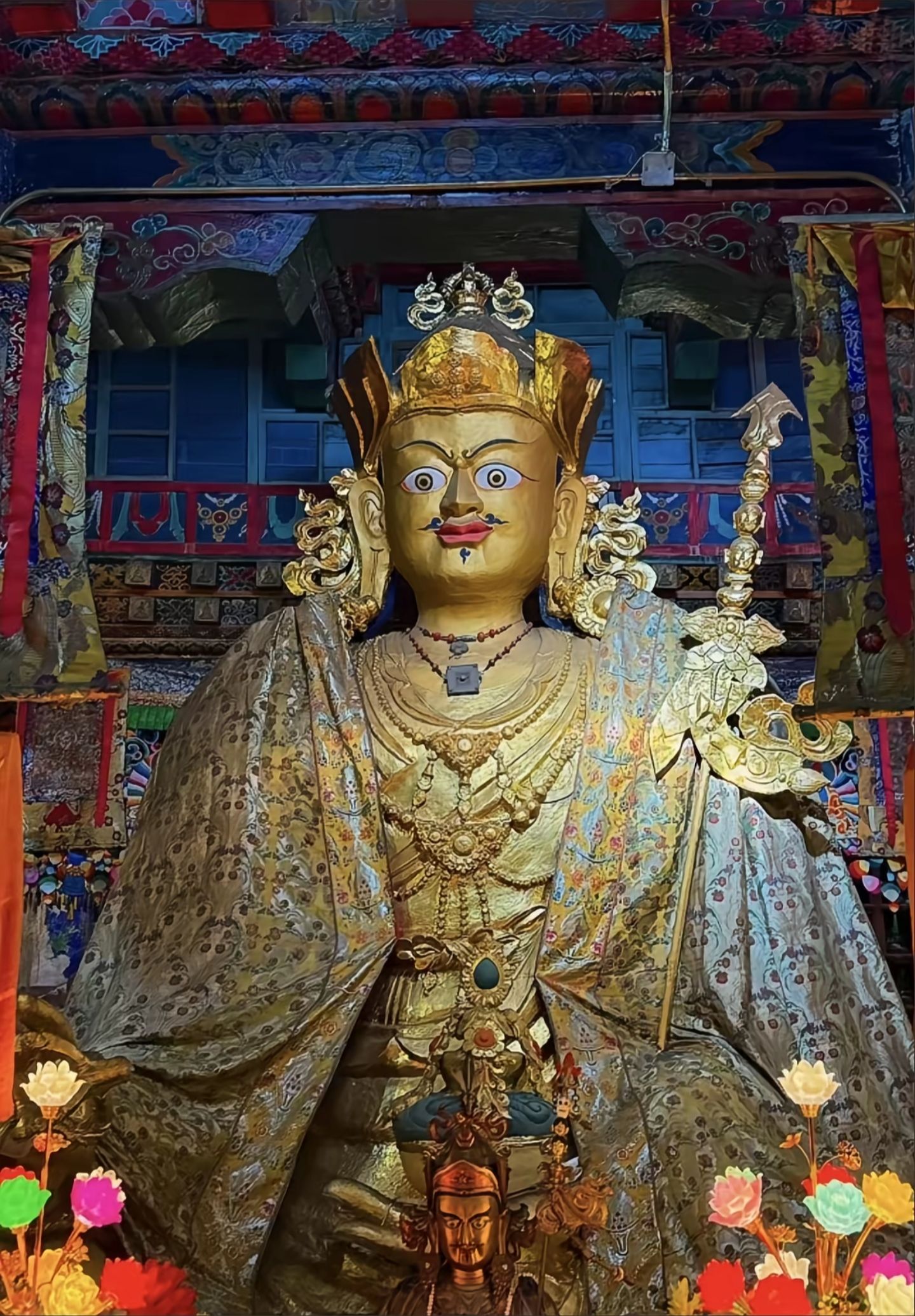


The Meaning & Blessings of Padmasambhava: Why We Honor Him in Gau Boxes & Thangkas

For Tibetan Buddhists and spiritual seekers worldwide, Guru Rinpoche is more than a historical figure—he is a living symbol of protection, wisdom, compassion, and spiritual awakening. When you wear a gau box with his image or display a Padmasambhava thangka in your home, you are not just owning a piece of art; you are inviting his blessings into your life. Here’s the profound symbolism behind his presence in our sacred artifacts:

1. Protection from Obstacles

Guru Rinpoche is universally revered as a protector from all forms of harm—physical, emotional, and spiritual. His ability to tame demons and negative energies symbolizes his power to shield practitioners from obstacles, fear, and suffering. Our gau boxes, crafted to hold small thangkas of Guru Rinpoche or his mantra (Om Ah Hum Vajra Guru Padma Siddhi Hum), are designed to be worn close to the heart, serving as a portable shield of his protection—perfect for navigating the chaos of modern life.

2. Wisdom & Compassion United

Padmasambhava’s teachings emphasize the union of wisdom (prajna) and compassion (karuna)—two essential qualities for spiritual growth. In thangka paintings and gau box engravings, he is often depicted holding a vajra (symbol of unshakable wisdom) and a skull cup (symbol of compassion for all beings). This balance reminds us to act with kindness while staying rooted in clarity—a message that resonates with anyone seeking inner peace. Our hand-painted thangkas, made with mineral pigments and gold accents, capture this duality, making them both sacred tools and stunning works of art.

3. Spiritual Awakening & Liberation

As the "Second Buddha," Guru Rinpoche’s mission was to guide humanity toward enlightenment (nirvana)—liberation from the cycle of birth, death, and suffering. His teachings, preserved in terma and passed down through generations, offer a path to awakening for all who seek it. A Padmasambhava thangka displayed in your home serves as a daily reminder of this path, while a gau box worn on your person keeps his wisdom close, inspiring you to live with purpose and purity.

4. Blessings for Home & Heart

In Tibetan culture, gau boxes and thangkas are not just personal artifacts—they are sacred objects that bless the spaces they occupy. A Guru Rinpoche thangka in your home creates a peaceful, sacred environment, while a gau box worn by a family member brings protection to the entire household. Our pieces are crafted by skilled Tibetan artisans, using traditional techniques and materials, to ensure they carry the same sacred energy that has made these artifacts beloved for centuries.
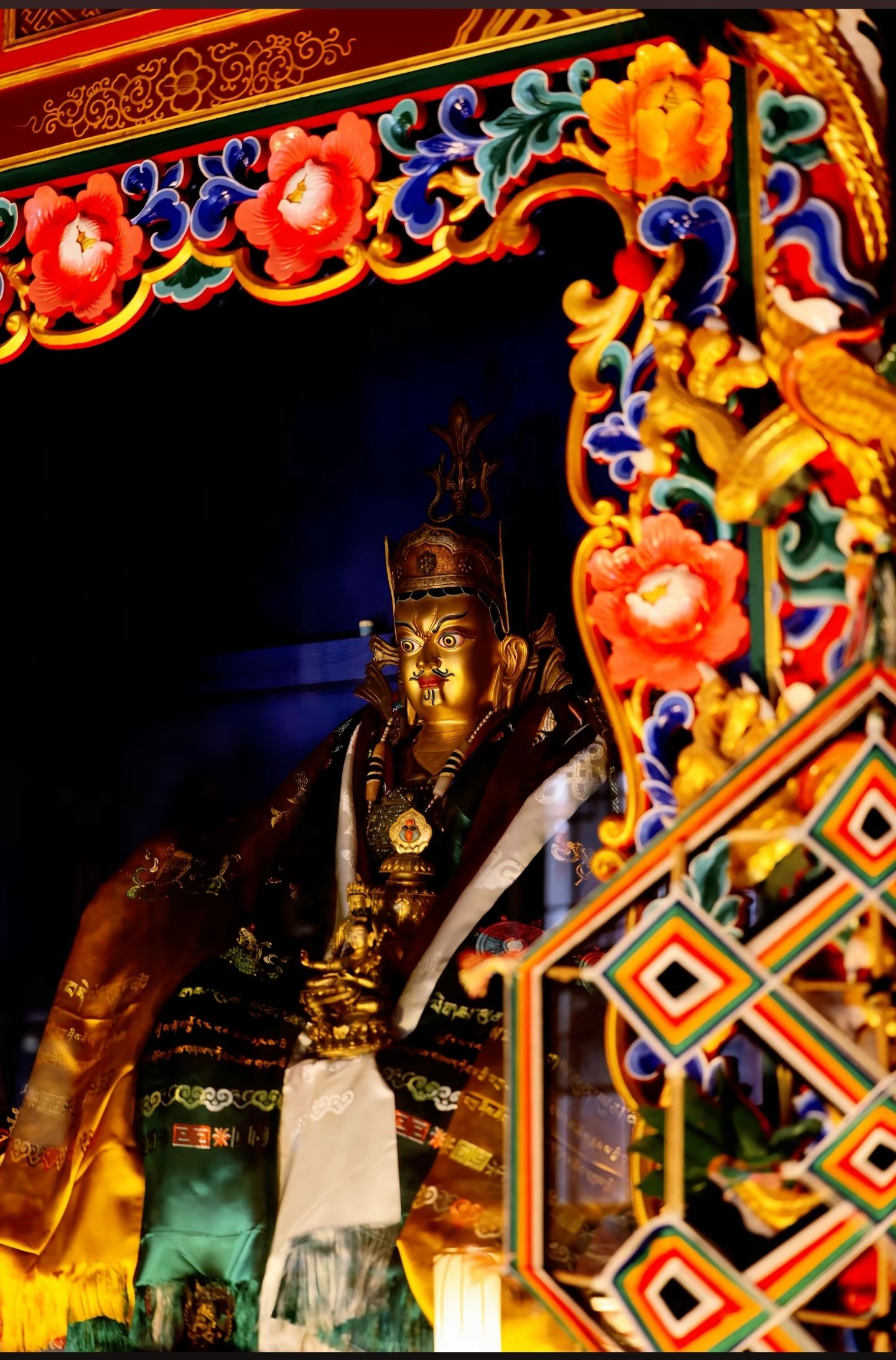


Sacred Taboos: How to Respectfully Wear & Display Guru Rinpoche Gau Boxes & Thangkas

To honor Guru Rinpoche and the sacred nature of your gau box or thangka, it is essential to follow these traditional taboos and practices. These guidelines are rooted in respect for Tibetan Buddhist culture and ensure that you receive the full blessings of these sacred artifacts:

For Gau Boxes (Ga'u Boxes) Featuring Padmasambhava

  • Never touch Guru Rinpoche’s image directly with bare hands: The image of Guru Rinpoche is sacred—if your gau box has an open design or you need to clean it, use a soft, clean cloth (never your fingers) to avoid disrespect. Many practitioners also avoid letting others touch their gau box without permission, as it is a personal spiritual artifact.
  • Keep it above waist level at all times: When wearing your gau box, ensure it hangs above your waist—never below. This symbolizes respect for Guru Rinpoche and his teachings; placing it below the waist is considered disrespectful. Avoid sitting on your gau box or placing it on the floor.
  • Remove it in impure spaces: Take off your gau box before entering a bathroom, showering, swimming, or engaging in intimate activities. These spaces are considered impure in Tibetan Buddhism, and wearing the gau box there would dishonor Guru Rinpoche. Always place it in a clean, elevated spot (such as a shelf or altar) when not wearing it.
  • Do not wear it during anger or negativity: Guru Rinpoche embodies compassion and peace—try to wear your gau box only when you are in a calm, positive state of mind. If you are feeling intense anger or negativity, remove it temporarily to honor the sacred energy of the piece.
  • Handle损坏 with respect: If your gau box breaks or becomes damaged beyond repair, do not throw it away. Wrap it in a clean white or red cloth and either bury it in a sacred place (such as under a tree or in a mountain) or donate it to a Tibetan Buddhist monastery for proper disposal. This ensures you honor the sacred energy of the artifact.

For Padmasambhava Thangkas

  • Display it in a high, clean place: Hang your thangka on a wall above eye level, in a quiet, clean room (avoid bedrooms, bathrooms, or kitchens). Never place it on the floor, lean it against a wall casually, or use it as a tablecloth or decoration for impure items. A dedicated altar space is ideal, but even a quiet corner of your living room works—just ensure it is not disturbed by clutter or negativity.
  • Avoid direct sunlight and moisture: Thangkas are painted with delicate mineral pigments, which can fade or deteriorate in direct sunlight or humid environments. Keep your thangka away from windows, radiators, or damp areas to preserve its beauty and sacred energy for years to come.
  • Do not hang it near electronics or noisy areas: The energy of a thangka is meant to be peaceful—avoid hanging it near televisions, speakers, or other electronics that emit loud noises or negative energy. This helps maintain the sacred atmosphere of the space.
  • Clean it gently: If your thangka collects dust, use a soft, dry brush (such as a makeup brush) to gently dust it off. Never use water, cleaning products, or wet cloths—this can damage the pigments and fabric.

Connect with Guru Rinpoche Through Our Sacred Gau Boxes & Thangkas

Padmasambhava’s legacy is one of compassion, wisdom, and protection—a legacy that lives on in the sacred art of Tibet. Our handcrafted gau boxes and thangkas featuring Guru Rinpoche are more than just artifacts; they are bridges between you and his blessings, crafted with love and respect by Tibetan artisans using traditional techniques. Each gau box is designed to hold your most sacred treasures (small thangkas, mantras, or relics), while each thangka is painted with mineral pigments and gold to capture the essence of the Precious Guru’s grace.
Whether you wear a Guru Rinpoche gau box close to your heart or display a thangka in your home, you are embracing a centuries-old tradition of spiritual connection—one that brings peace, protection, and purpose to every aspect of your life. Explore our collection today to find the perfect piece to honor Guru Rinpoche and deepen your spiritual journey.

Sort by
Invalid email address