/ /

Ksitigarbha Bodhisattva in Tibetan Buddhism: Background, Legends, Meanings & Gau Box Thangka Wearing Taboos

| Zen Rhymeart

In Tibetan Buddhism, few bodhisattvas carry the same depth of compassion and unwavering resolve as Ksitigarbha. Known as “Sa Yi Nying Po” in Tibetan—translating to “Heart of the Earth”—he is revered for his great vow: “Until the hells are empty, I will not attain Buddhahood; until all beings are liberated, I will not become a Buddha.” For those who cherish Tibetan Buddhist culture and wear Gau Box Thangkas (sacred Tibetan amulet boxes holding miniature thangkas), understanding Ksitigarbha’s story, significance, and proper etiquette is more than a lesson in faith—it is a way to honor the spiritual connection between the bodhisattva’s blessings and the sacred artifacts we carry. Below, we dive into his background, timeless legends, symbolic meanings, and essential wearing taboos, tailored for lovers of Tibetan art and spirituality.


1. Background of Ksitigarbha Bodhisattva in Tibetan Buddhism

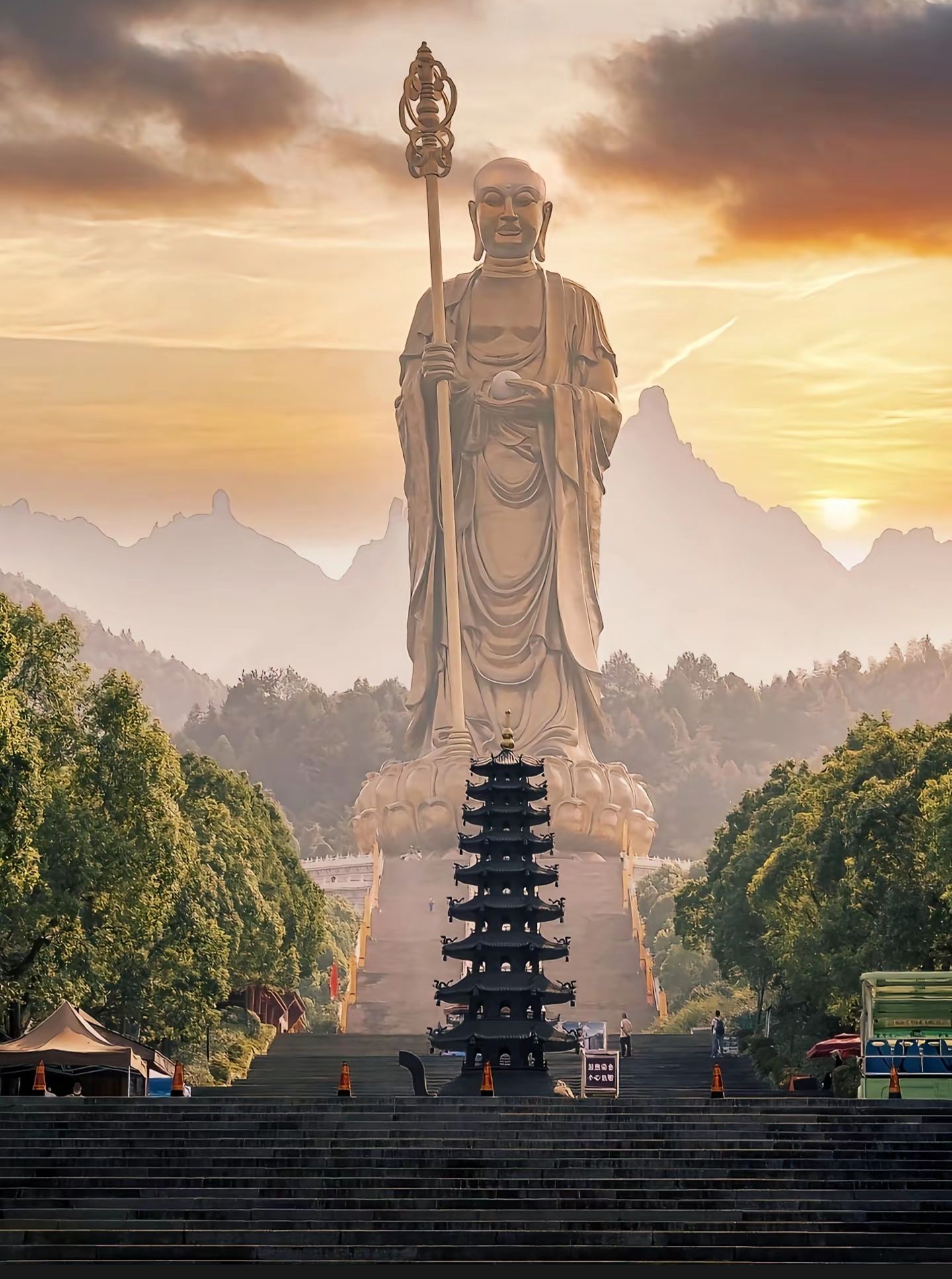
Ksitigarbha (Sanskrit for “Earth Treasury” or “Earth Store”) is one of the most beloved bodhisattvas in Mahayana and Vajrayana (Tibetan) Buddhism, ranking alongside Manjushri (Great Wisdom), Samantabhadra (Great Action), and Avalokiteshvara (Great Compassion) as the “Four Great Bodhisattvas” in East Asian Buddhism. In Tibetan Buddhism, his essence is captured by the phrase from the Ksitigarbha Sutra: “Steadfast as the earth, deep as a hidden treasure”—a nod to his ability to bear the suffering of all beings (like the earth sustains life) and hold the wisdom of enlightenment (like a treasure hidden away).
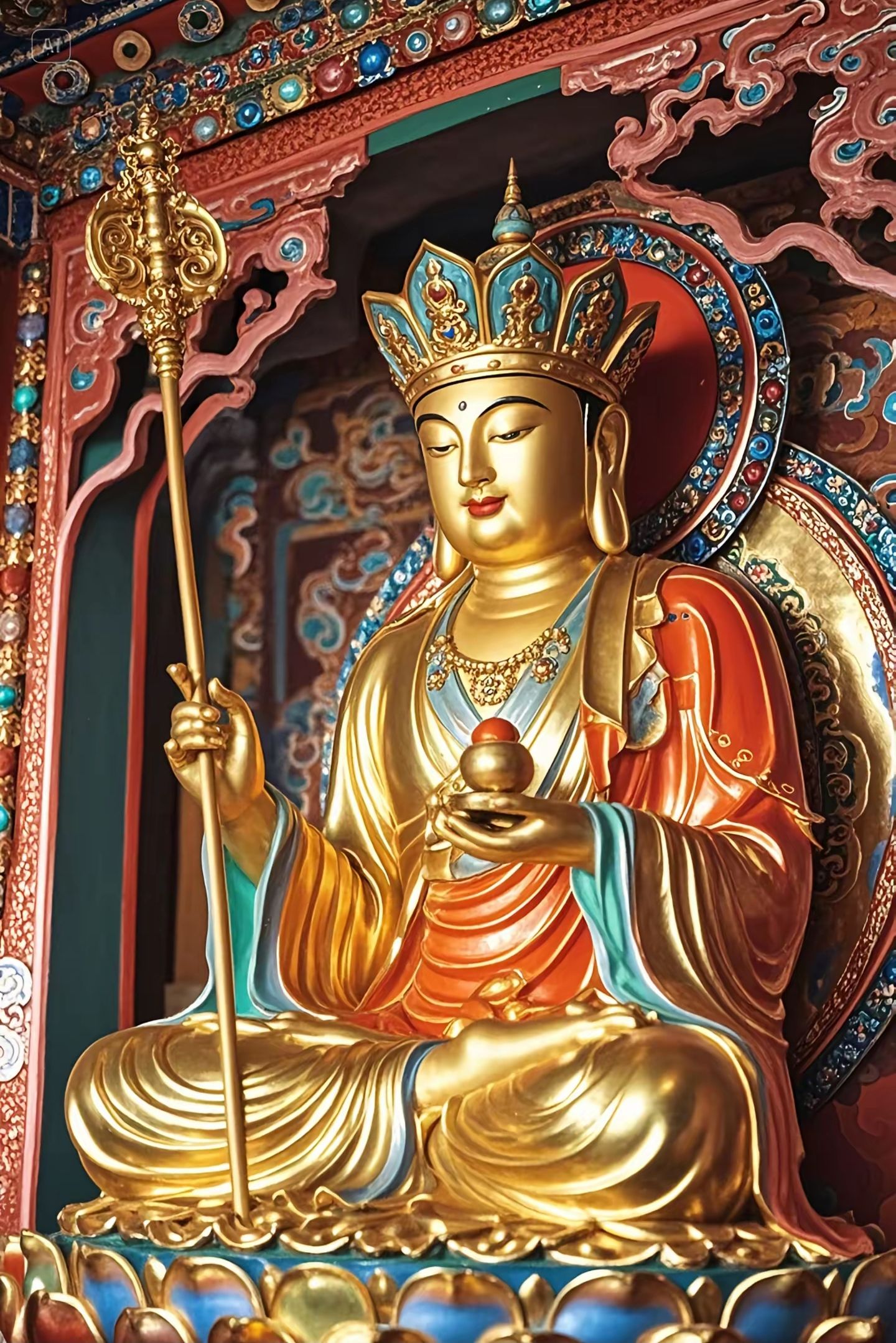
Unlike many bodhisattvas depicted in celestial attire, Ksitigarbha is often portrayed as a Buddhist monk in Tibetan art: bald or wearing a five-Buddha crown, draped in a simple saffron robe, holding a tin staff (to break open the gates of hell and guide trapped souls) in one hand and a wish-fulfilling pearl (to illuminate darkness and dispel ignorance) in the other. His mount, a lion-like creature named “Diting” (or “Good Listener”), is said to hear the cries of all suffering beings across the six realms (hell, hungry ghosts, animals, humans, asuras, and gods), allowing Ksitigarbha to rush to their aid.

For Tibetan practitioners, Ksitigarbha is not merely a figure of devotion—he is a symbol of hope for the departed and protection for the living. This is why his image is often featured in Gau Boxes and Thangkas: these sacred objects serve as a physical reminder of his vow, carrying his blessings wherever they are worn or displayed. Our Gau Box Thangkas, crafted with traditional Tibetan techniques and mineral pigments, honor this tradition by housing intricate miniatures of Ksitigarbha, bridging the gap between faith and daily life.


2. Timeless Legends of Ksitigarbha Bodhisattva

Ksitigarbha’s legacy is shaped by stories of selflessness and unwavering compassion, rooted in the Ksitigarbha Bodhisattva Pūrva Praṇidhāna Sūtra—a sacred text that details his past lives and the origins of his great vow. These legends resonate deeply in Tibetan culture, emphasizing the values of filial piety, mercy, and dedication to others—values that align with the spirit of Gau Box Thangkas as tokens of love and protection.

The Brahmin Maiden and Her Vow to Save Her Mother

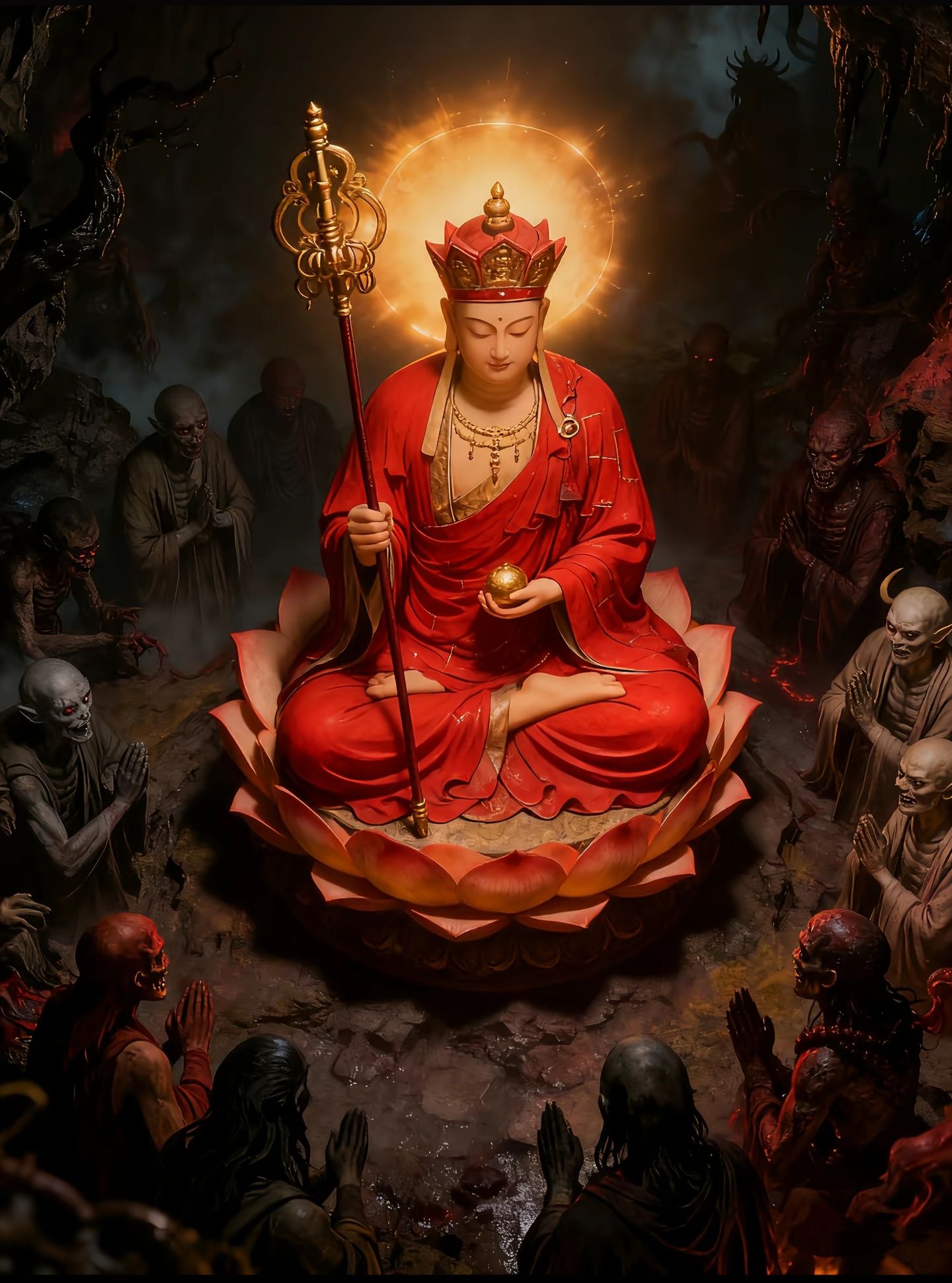
In one of his most famous past lives, Ksitigarbha was a devout Brahmin maiden whose mother rejected the Dharma (Buddhist teachings) and practiced harmful rituals. When her mother died and fell into the deepest hell (Avīci Hell) due to her actions, the maiden grieved deeply. She sold all her possessions to offer prayers and offerings at a Buddhist temple, begging for guidance to save her mother. Moved by her devotion, the Buddha Amitabha appeared to her in a vision, guiding her to meditate on the Buddha’s name with pure faith.
Through her intense meditation, the maiden’s spirit traveled to hell, where she met the king of ghosts, Wudu. When Wudu saw the light of her faith, he revealed that her mother had already been freed from hell—her daughter’s devotion had merited enough merit to lift her to a heavenly realm. Overwhelmed with gratitude, the maiden knelt before the Buddha and made a solemn vow: “For all future eons, I will rescue every being trapped in suffering, especially those in hell. I will not rest until no soul is left in pain, and only then will I attain Buddhahood.” This maiden, the sutra reveals, was Ksitigarbha in a past life.

The Princess Guangmu and the Power of Compassion

Another powerful legend tells of Ksitigarbha’s past life as Princess Guangmu, whose mother loved eating fish roe—creating immense negative karma through killing. Fearing her mother would suffer after death, Guangmu prayed to the Buddhas and asked an arhat (enlightened monk) to reveal her mother’s fate. The arhat showed her that her mother was trapped in hell, tormented for her sins. Determined to save her, Guangmu dedicated herself to practicing the Dharma, making offerings, and reciting sutras day and night.

Her compassion and resolve moved the Buddhas, who granted her mother’s release from hell. Once again, Ksitigarbha (as Guangmu) made a vow to save all beings from suffering, recognizing that every soul—no matter how great their mistakes—deserved mercy. These stories teach that compassion and filial piety are not just virtues, but forces that can transform even the darkest suffering—a message mirrored in the purpose of our Gau Box Thangkas: to carry that compassion with you always.


3. Symbolic Meanings & Blessings of Ksitigarbha (For Gau Box Thangka Wearers)

In Tibetan Buddhism, wearing a Gau Box Thangka featuring Ksitigarbha is more than a fashion choice—it is a way to align with his blessings and embody his virtues. The symbolic meanings of Ksitigarbha are deeply tied to the purpose of Gau Boxes (Tibetan “Gavu”), which are sacred amulet boxes designed to hold spiritual artifacts (like thangkas, sutras, or blessed items) close to the heart. Together, Ksitigarbha and the Gau Box create a powerful symbol of protection, healing, and spiritual growth.

Protection from Suffering

Ksitigarbha’s primary role is to rescue beings from suffering—especially those trapped in hell, but also those facing hardship in daily life. For wearers, a Ksitigarbha Gau Box Thangka symbolizes protection from physical harm, emotional distress, and negative energy. It is believed that his vow extends to all who carry his image with devotion, shielding them from misfortune and guiding them through difficult times.

Healing & Karma Cleansing

Ksitigarbha is associated with healing—both physical and spiritual. His wish-fulfilling pearl is said to purify negative karma (actions that cause suffering) and bring clarity to the mind, while his tin staff breaks through ignorance and despair. Wearing his image in a Gau Box is a reminder to practice kindness and mindfulness, helping to cleanse past mistakes and cultivate positive energy.

Filial Piety & Connection to Loved Ones

As seen in his past lives as the Brahmin maiden and Princess Guangmu, Ksitigarbha is a symbol of filial piety—a core value in Tibetan culture. Many wear Ksitigarbha Gau Box Thangkas to honor their parents, living or deceased, asking for his blessings to protect their loved ones and guide departed souls to peace. The Gau Box, with its ability to hold sacred items, becomes a bridge between the living and the departed, carrying love and prayers across realms.

Strength & Resolve

Ksitigarbha’s vow—“Until the hells are empty, I will not attain Buddhahood”—is a testament to unwavering resolve. For wearers, his image serves as a source of strength, encouraging them to persevere through challenges, stay true to their values, and practice compassion even when it is difficult. In a world filled with chaos, the Ksitigarbha Gau Box Thangka is a reminder of the power of patience and dedication.

4. Essential Wearing Taboos for Ksitigarbha Gau Box Thangkas

In Tibetan Buddhism, sacred artifacts like Gau Box Thangkas are treated with the utmost respect—their power and blessings depend on the wearer’s devotion and adherence to traditional taboos. These guidelines are not meant to restrict, but to honor the sacredness of Ksitigarbha’s image and ensure that the blessings flow freely. Please note these rules carefully, as they are deeply rooted in Tibetan cultural and religious traditions.

Taboo 1: Do Not Wear Below the Waist

Ksitigarbha’s image is sacred, and wearing it below the waist (e.g., on a belt, in a pocket near the hips) is considered disrespectful. The Gau Box Thangka should be worn around the neck, close to the heart—this position symbolizes that his compassion and blessings are held close to your soul, and it honors his status as a bodhisattva of great merit.

Taboo 2: Avoid Unclean Environments

Remove your Ksitigarbha Gau Box Thangka before entering unclean spaces, including bathrooms, saunas, swimming pools, or places where alcohol, drugs, or meat are being consumed in excess. These environments are believed to diminish the sacred energy of the artifact. Additionally, do not wear the Gau Box while bathing or sleeping—store it in a clean, dry place (like a silk pouch or altar) during these times to protect it from damage and disrespect.

Taboo 3: Do Not Let Strangers Touch It

Your Gau Box Thangka is a personal spiritual artifact, tied to your devotion and energy. Do not let strangers touch or handle it—this can disrupt the connection between you and Ksitigarbha’s blessings. If someone accidentally touches it, you can purify it by placing it in sunlight for a few hours or reciting a simple prayer (e.g., “Om Mani Padme Hum”) with pure intentions.

Taboo 4: Do Not Use as a Decoration Only

While Ksitigarbha Gau Box Thangkas are beautiful works of art, they are not mere decorations. Avoid hanging them on walls as decor (unless on a home altar) or using them as accessories without devotion. When you wear it, hold the intention of aligning with Ksitigarbha’s vow—this respect will amplify the blessings you receive.

Taboo 5: Proper Care & Disposal If Damaged

Our Gau Box Thangkas are crafted with care, but if yours becomes damaged (e.g., the box breaks, the thangka fades), do not throw it away. This is considered extremely disrespectful. Instead, wrap it in a clean white or red cloth and take it to a Tibetan Buddhist temple, where monks can properly dispose of it (e.g., by burning it in a sacred fire or burying it under a tree). If the damage is minor, you can have it repaired by a skilled Tibetan craftsman who understands the sacred nature of the artifact.

Sort by
Invalid email address