Mahakala in Tibetan Buddhism: Background, Legends, Meanings & Wearing Taboos | Gau Box Thangka Guide
| Zen Rhymeart
For anyone fascinated by Tibetan Buddhism or seeking a powerful, meaningful spiritual accessory, Mahakala—known as “Gonpo” in Tibetan, meaning “Protector”—is an iconic and revered figure you cannot overlook. As the most important wrathful protector deity in Tibetan Buddhism, Mahakala’s fierce imagery and compassionate essence have been cherished and passed down for centuries, often preserved in sacred Gau Box Thangkas—the portable spiritual talismans we offer at our store. Today, we’ll dive deep into the authentic background of Mahakala in Tibetan Buddhism, his most inspiring legends, the profound meanings behind his fearsome yet benevolent imagery, and the essential taboos to follow when wearing his portrait in a Gau Box Thangka. Whether you’re a devout practitioner, a cultural enthusiast, or someone seeking spiritual protection and guidance, this guide will help you understand the essence of Mahakala in Tibetan culture and how to honor his blessings through your Gau Box Thangka.
Who is Mahakala in Tibetan Buddhism? (Authentic Background)
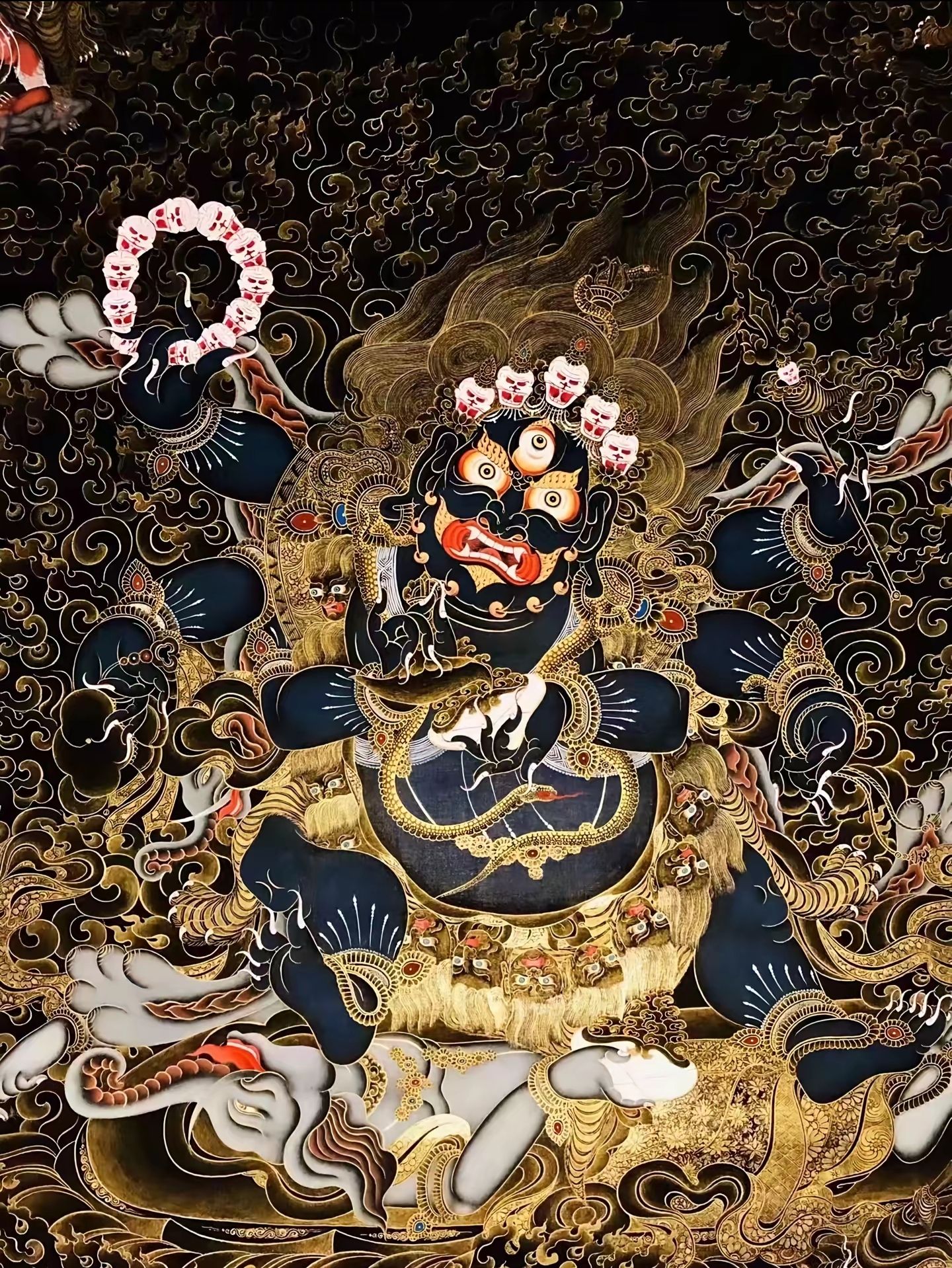
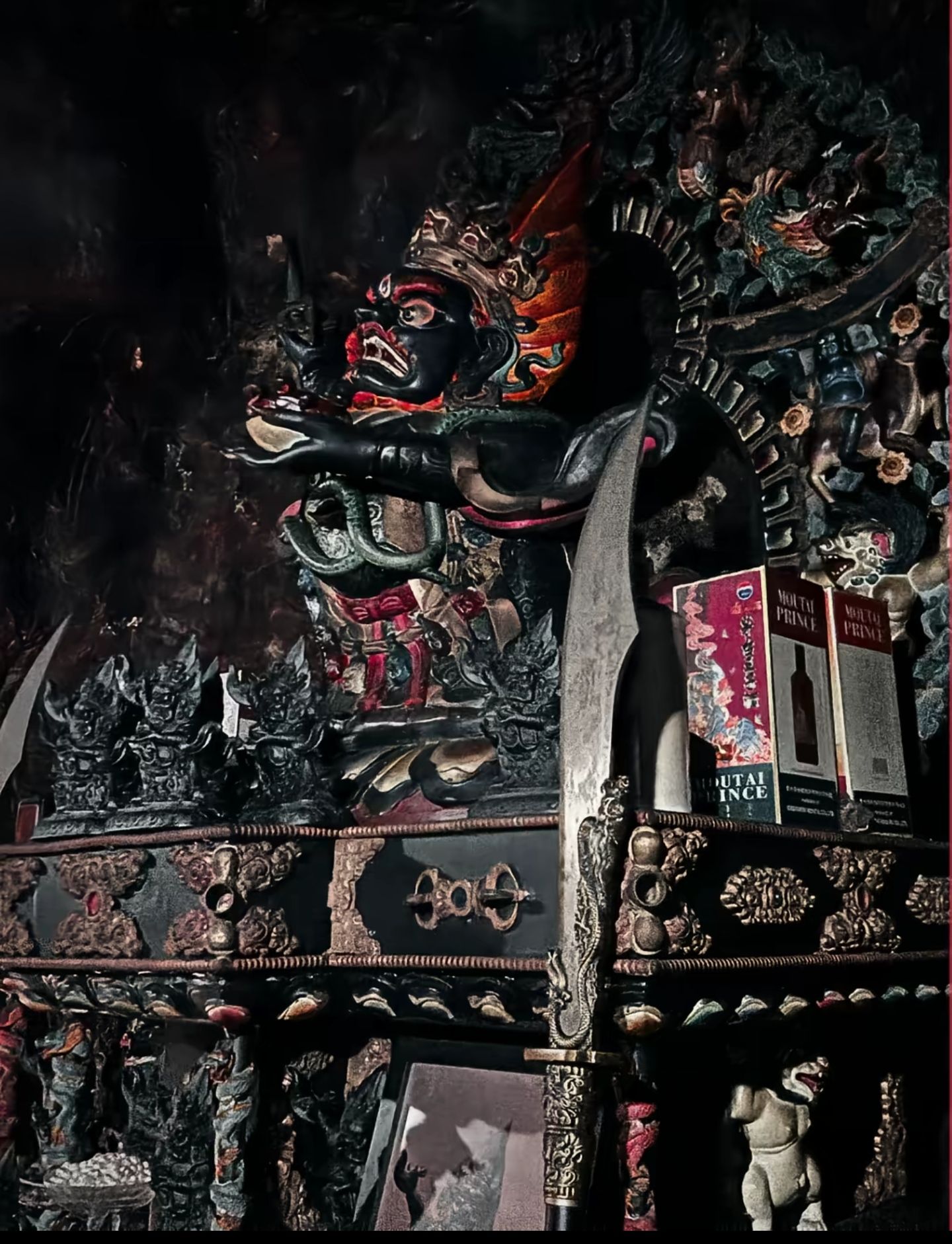
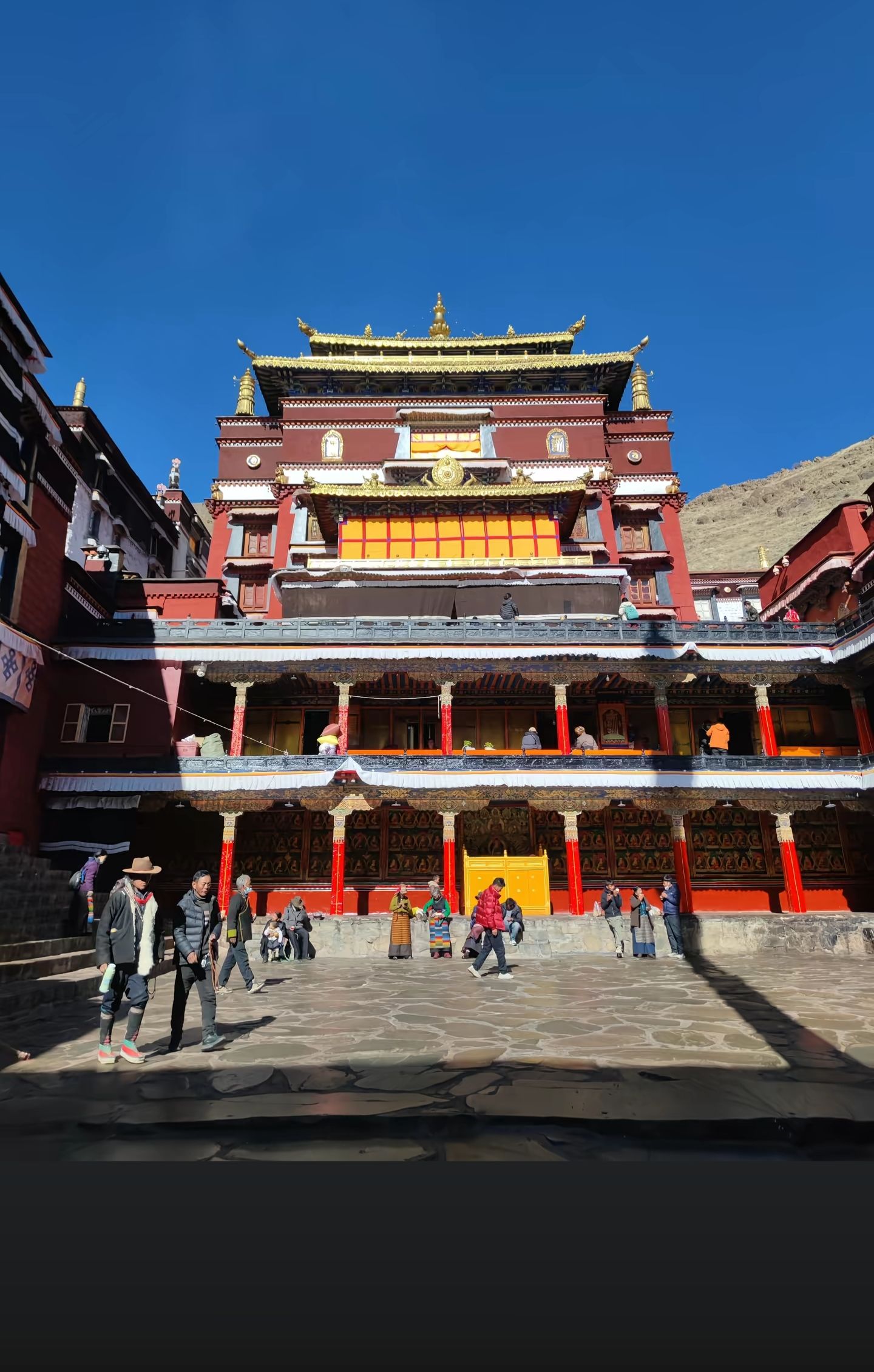
In Tibet, Mahakala is a ubiquitous presence: he is enshrined in every major monastery (including Jokhang Temple and Sera Monastery), and Tibetan believers often invoke his name for protection, prosperity, and spiritual guidance. For our Gau Box Thangka collection, we honor this sacred legacy by featuring exquisite Mahakala imagery, painted with natural mineral pigments (a traditional Tibetan art form that ensures vibrant, long-lasting colors) and encased in handcrafted Gau Boxes—allowing you to carry Mahakala’s protection and compassion with you wherever you go, just as Tibetan believers have done for generations.
Timeless Legends of Mahakala in Tibetan Buddhism
1. The Wrathful Manifestation: Avalokiteshvara’s Compassionate Transformation
2. Mahakala’s Protection of Sera Monastery
3. The Six-Armed Mahakala: Symbols of Wisdom and Compassion
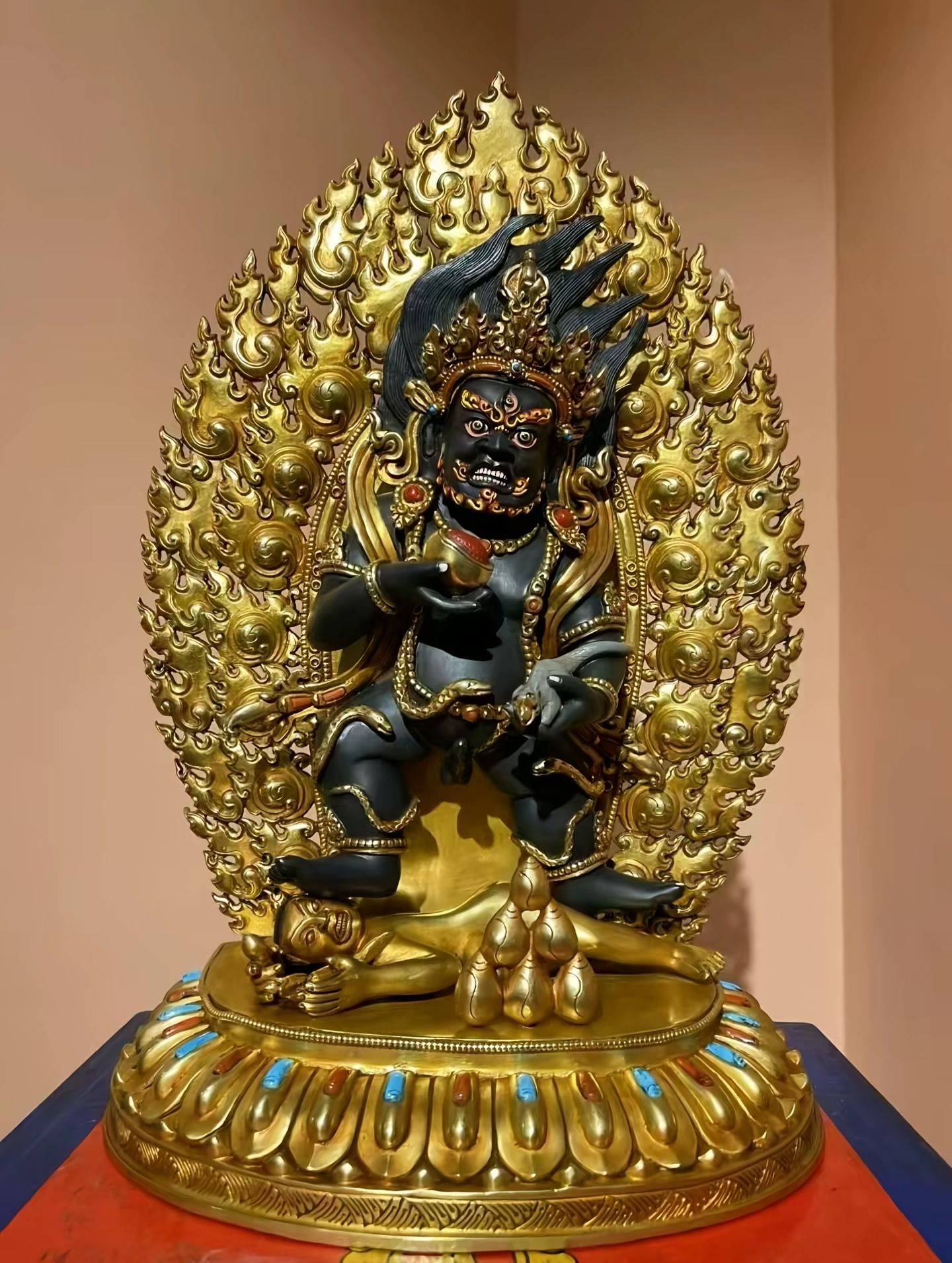
The most iconic form of Mahakala in Tibetan art (and our Gau Box Thangkas) is the six-armed Mahakala, whose every detail tells a story of spiritual power. Each of his six arms represents one of the Six Perfections, while his five skull garland symbolizes the Five Wisdoms that free beings from ignorance. His rightmost hand holds a sword, which cuts through doubt and ignorance; his leftmost hand holds a blood bowl, which symbolizes the subjugation of the Four Maras (desire, ignorance, pride, death) and the transformation of negative energies into compassion. This legend reminds us that Mahakala’s wrath is not anger, but a fierce form of love—one that destroys what harms us, so we can grow spiritually. When you wear our six-armed Mahakala Gau Box Thangka, you carry these symbols of wisdom and protection with you.
The Meaning & Blessings of Mahakala in Gau Box Thangkas
1. Powerful Protection (Physical & Spiritual)
2. Prosperity & Abundance
3. Wisdom & Clarity
4. Spiritual Connection & Devotion
For Tibetan Buddhists and spiritual seekers alike, the Mahakala Gau Box Thangka is a sacred link to the Dharma and to Mahakala’s compassionate protection. It allows you to carry a piece of your faith with you, whether you are at home, at work, or traveling. Our Gau Box Thangkas are handcrafted with traditional Tibetan techniques and natural mineral pigments, ensuring that each piece is not just a piece of jewelry, but a sacred object that honors Mahakala’s legacy and deepens your spiritual connection.
Important Wearing Taboos for Mahakala Gau Box Thangkas
- Do not wear the Gau Box below your waist: Mahakala’s image is sacred, and wearing it below the waist (e.g., on a belt, in a pocket below the waist) is considered disrespectful. It should be worn around your neck, close to your heart—symbolizing that Mahakala’s protection and compassion reside in your heart.
- Remove it during impure activities: Take off your Gau Box Thangka before bathing, swimming, or engaging in any activity that involves nudity or impure substances (e.g., alcohol, drugs). Mahakala’s image should not be exposed to water or impure environments, as this is a sign of disrespect.
- Do not place it in impure places: When you are not wearing your Gau Box, store it in a clean, sacred place—such as a shelf above eye level, a prayer altar, or a soft cloth bag. Do not place it on the floor, under a bed, in a bathroom, or near dirty clothes, shoes, or food.
- Do not lend it to others casually: Your Mahakala Gau Box Thangka is a personal, sacred object that carries your intentions and blessings. Lending it to others (especially non-believers) can dilute its spiritual energy and is considered disrespectful. If someone asks to see it, you can show it to them gently, but do not let them wear it.
- Do not treat it as a mere accessory: While our Mahakala Gau Box Thangkas are beautiful and can be worn as jewelry, they are first and foremost sacred objects. Do not decorate them with non-sacred items (e.g., loud, flashy charms) or wear them in a way that is disrespectful (e.g., throwing it around, wearing it while arguing or being angry).
- Handle with clean hands: Always touch your Mahakala Gau Box Thangka with clean hands. If your hands are dirty or greasy, wash them first before adjusting or handling the Gau Box.
Final Thoughts: Carry Mahakala’s Protection & Compassion With You
We Also Recommend
-
Mahakala Hand-painted Thangka Pendant Necklace
$39.90$59.90view

