Vairocana Buddha in Tibetan Buddhism: Background, Allusions, Meanings & Wearing Taboos | Gau Box Thangka Guide
| Zen Rhymeart
In the profound and ancient tradition of Tibetan Buddhism, Vairocana Buddha stands as the primordial cosmic Buddha—the source of all enlightenment, the embodiment of ultimate truth, and a beloved deity whose blessings are cherished by practitioners worldwide. For those who seek to carry his sacred energy close, a Vairocana Buddha Thangka enclosed in a traditional Gau Box is more than a piece of art; it is a tangible connection to the wisdom and compassion of the Buddha. In this blog, we’ll explore the authentic background, fascinating allusions, profound meanings, and important wearing taboos of Vairocana Buddha in Tibetan Buddhism, helping you deepen your understanding and honor this sacred practice as you embrace our handcrafted Gau Box Thangkas.
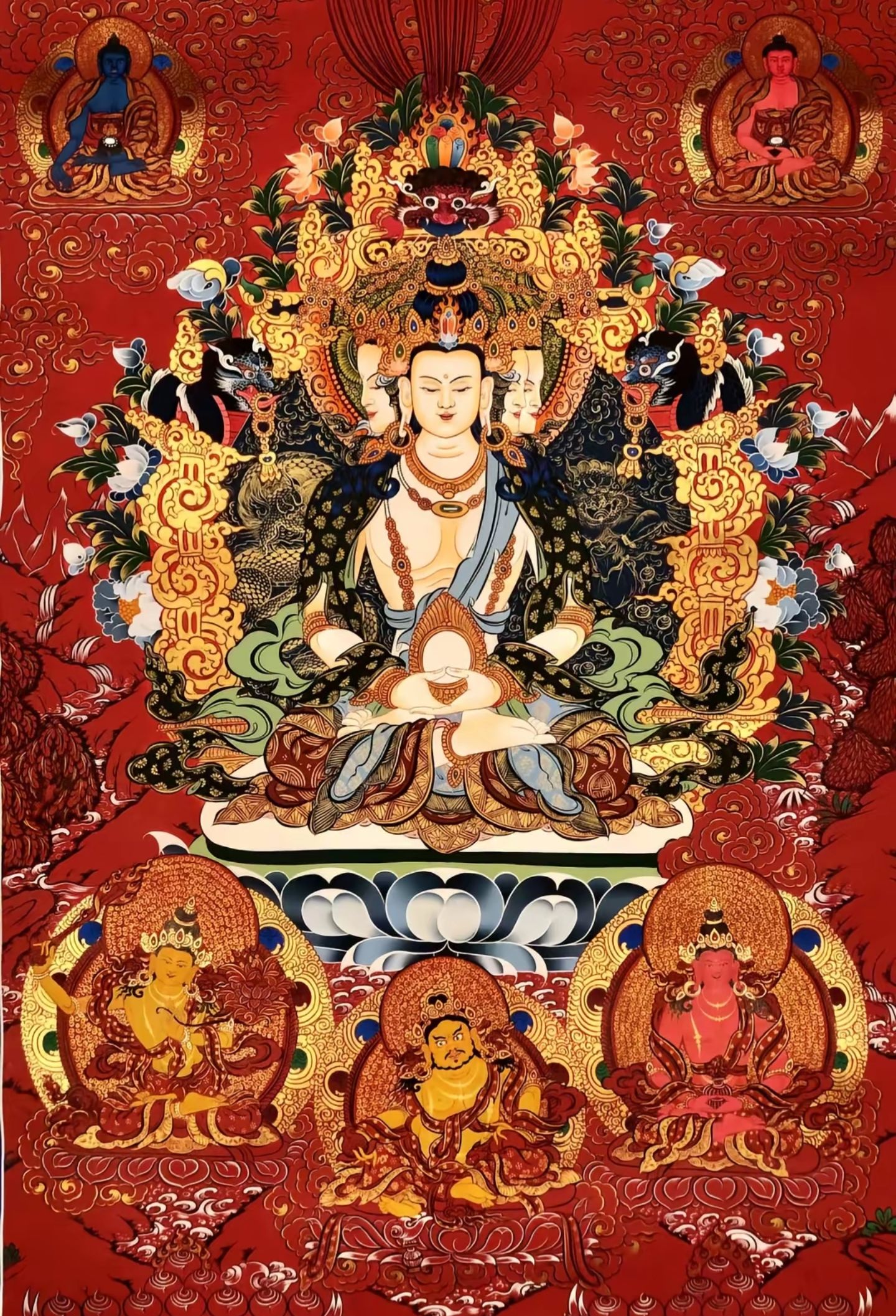
1. The Background of Vairocana Buddha in Tibetan Buddhism
For practitioners, Vairocana is not merely a deity to worship, but a reflection of their own innate Buddha-nature—the pure, enlightened essence that exists within every being, waiting to be awakened through wisdom and compassion. This is why our Gau Box Thangkas feature Vairocana’s sacred image: to serve as a constant reminder of this inner light, and to carry his blessings wherever you go.
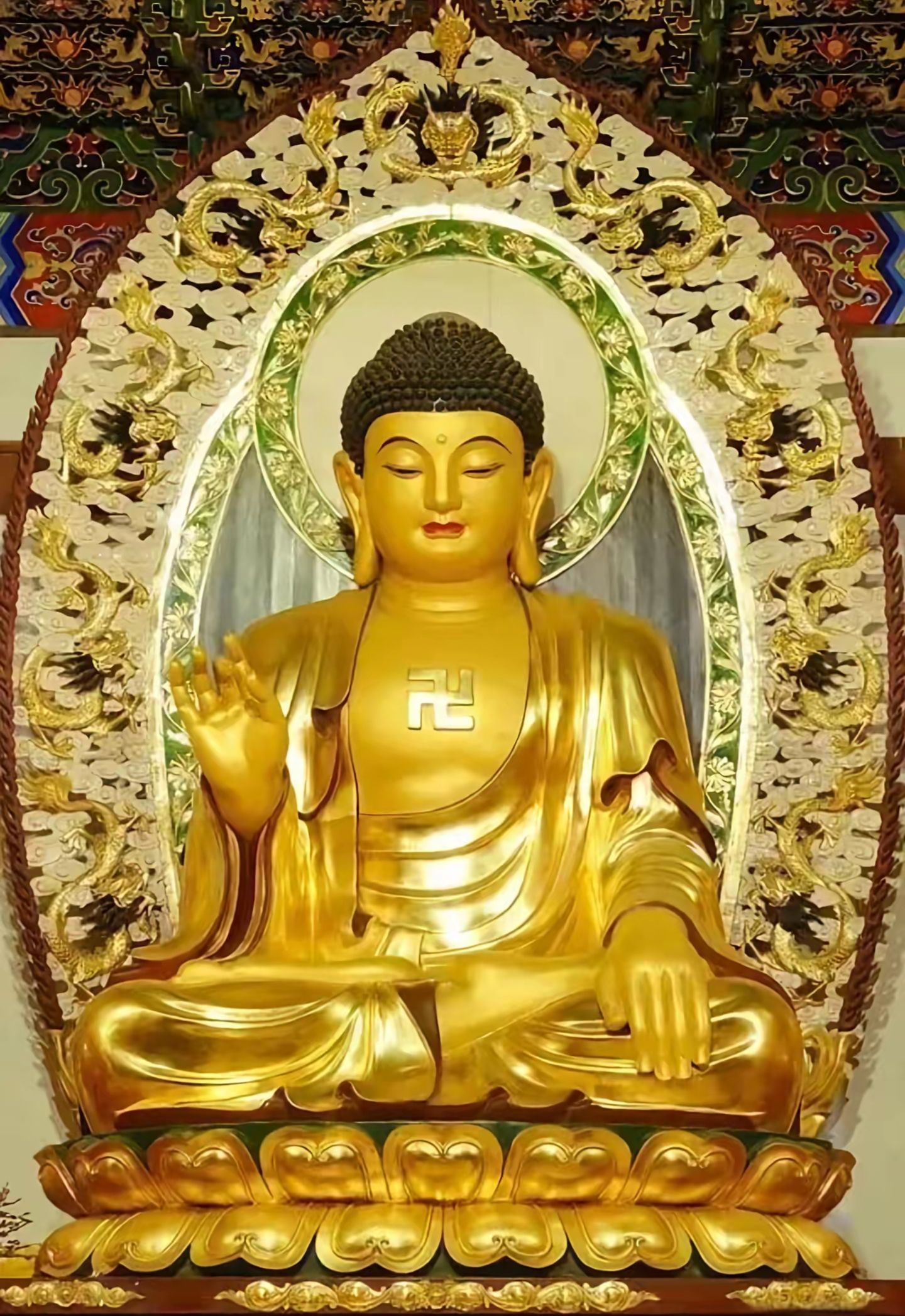
2. Timeless Allusions of Vairocana Buddha in Tibetan Buddhism
The Awakening of the Wise Light Yogi
The Transmission of Esoteric Teachings
When King Trisong Detsen invited Padmasambhava to Tibet to establish Buddhism, he built Samye Monastery—the first Buddhist monastery in Tibet—and enshrined a statue of Vairocana Buddha at its center. This marked the official establishment of Esoteric Buddhism in Tibet, and Vairocana became the supreme本尊 of the Tibetan Buddhist tradition. To this day, Vairocana’s image is prominently displayed in monasteries across Tibet and the Himalayas, a testament to his enduring role as the guardian of Esoteric teachings.