Green Tara: Background, Legends, Meanings & Wearing Taboos | Tibetan Gau Box & Thangka Guide
| Zen Rhymeart
In Tibetan Buddhism, few deities are as beloved and revered as Green Tara (Tibetan: Dolma Karpo; Sanskrit: Tara). Known as the "Mother of Liberation" and the embodiment of compassion, she has been a source of comfort, protection, and hope for practitioners across the Himalayas and beyond for centuries. For those who cherish Tibetan Buddhist art—especially our handcrafted Gau Boxes and Thangkas featuring Green Tara—understanding her essence deepens the connection to this sacred symbol. Below, we explore her rich background, timeless legends, profound meanings, and important wearing taboos, helping you honor her spirit while embracing her blessings.
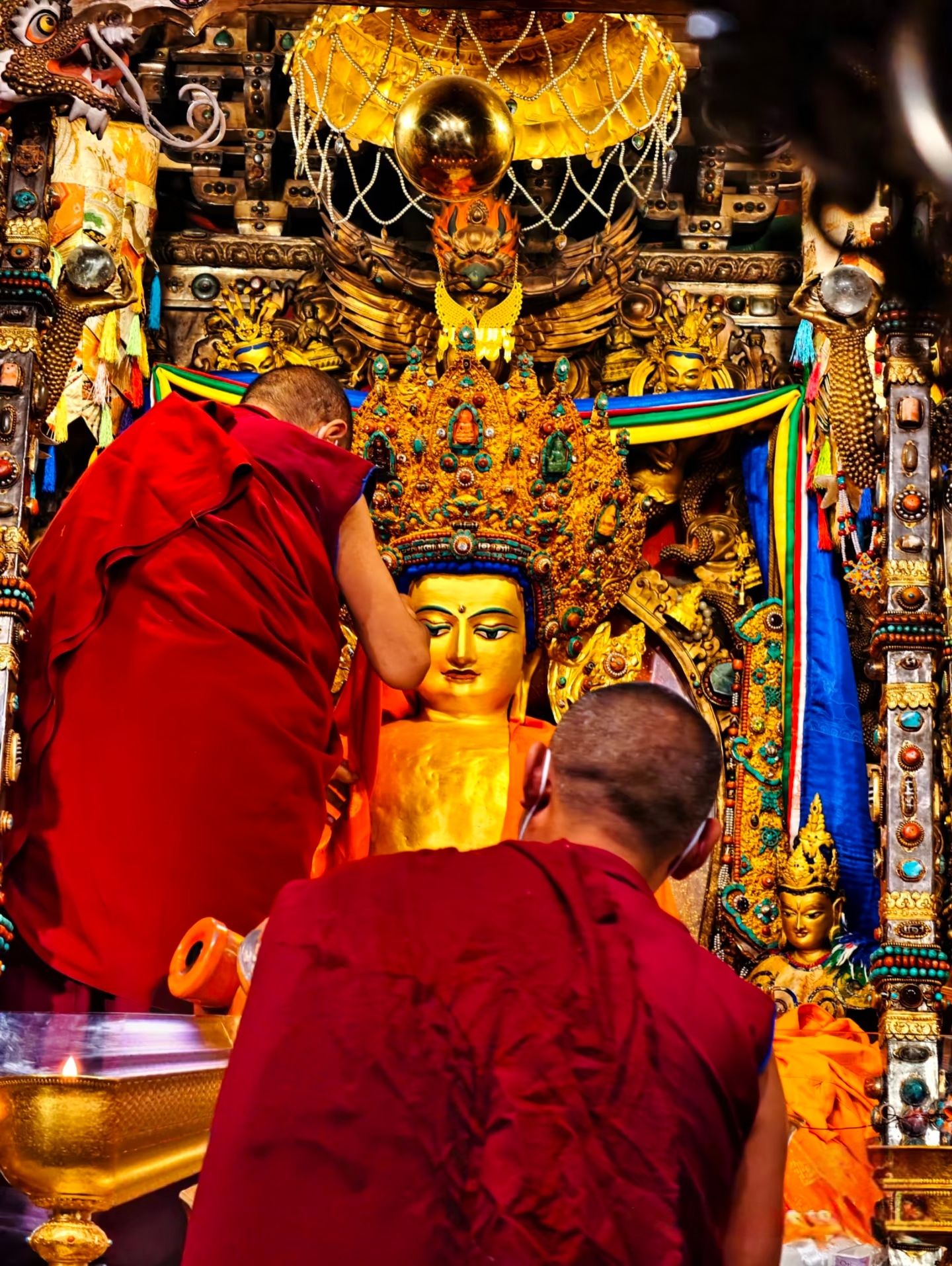
1. Green Tara: Background & Origin in Tibetan Buddhism
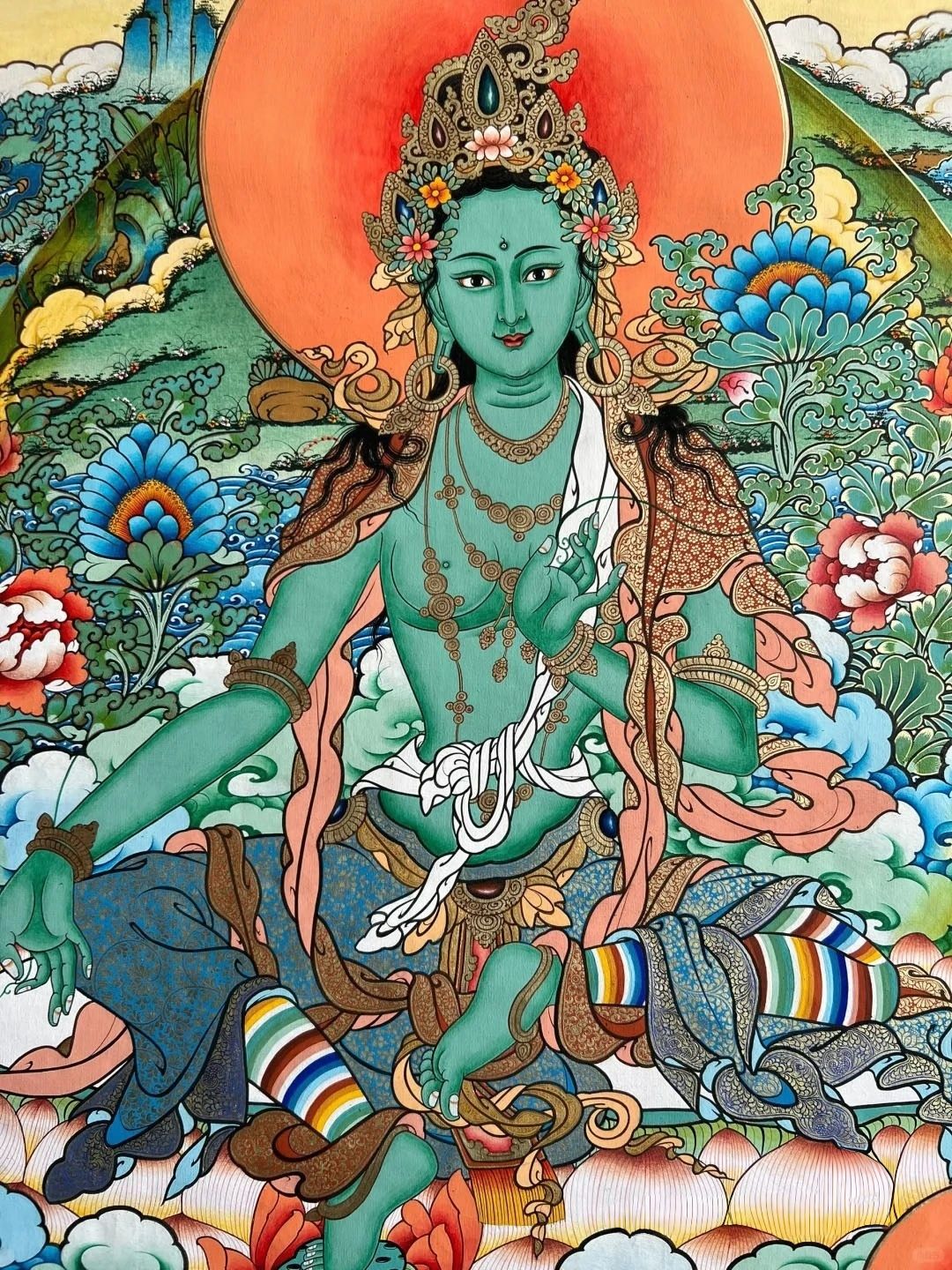
Visually, Green Tara is instantly recognizable: she has a serene, smiling face with lotus-petal eyes, wears a five-Buddha crown, and is adorned with necklaces, earrings, bracelets, and ankle bracelets. Her body is emerald green—symbolizing life, vitality, and the healing power of nature—and she sits in a half-lotus position (vajrasana), with one leg extended to show her readiness to stand and rescue those in need at a moment’s notice. In our Gau Boxes and Thangkas, this iconic imagery is preserved with traditional Tibetan craftsmanship, making each piece a sacred vessel for her energy.
2. Timeless Legends of Green Tara: Compassion in Action
Legend 1: The Vow of the Bodhisattva般若月 (Prajna Moon)
Legend 2: Saving Beings from the Eight Great Fears
Green Tara is also known as the "Tara Who Dispels the Eight Fears," a title tied to a legendary act of rescue. According to the Origin of Tara scripture, she once appeared to a group of practitioners trapped in eight life-threatening dangers: lion attacks, elephant charges, floods, fires, imprisonment, theft, snake bites, and attacks by evil spirits. With her swift compassion, she intervened, calming the lions, stopping the floods, extinguishing the fires, and freeing the trapped—proving her ability to rescue those who call upon her name with sincere faith. This legend is why she is often invoked for protection during travel, illness, or times of hardship, and why her image in Gau Boxes (portable sacred amulets) is so cherished by travelers and practitioners alike.
3. Green Tara’s Meanings & Blessings: What She Represents
- Swift Compassion & Protection: Her most famous trait is "hearing the cries of the suffering"—she responds instantly to those who call upon her with faith. She protects against accidents, illness, negative energy, and the eight great fears, making her a powerful guardian for daily life. Our Gau Boxes, hand-carved and inscribed with her mantra, let you carry this protection wherever you go, keeping her blessings close at hand.
- Vitality & Healing: Her emerald green color symbolizes life, growth, and renewal—like the first buds of spring breaking through the snow. She is associated with physical and emotional healing, helping to release grief, anxiety, and stagnation, and restoring balance to the body and mind. A Green Tara Thangka displayed in your home can infuse your space with calming, revitalizing energy.
- Wisdom & Clarity: Green Tara helps transform "doubt"—one of the five poisons (greed, anger, ignorance, arrogance, doubt) in Tibetan Buddhism—into pure wisdom. She guides practitioners to see the truth of life, let go of attachments, and make wise decisions, both in spiritual practice and daily life.
- Blessings for Women & Families: As a female deity, Green Tara is a beloved protector of women, children, and families. She is invoked for safe childbirth, healthy children, harmonious relationships, and emotional strength. Many mothers wear Green Tara Gau Boxes to honor her and ask for her blessings for their loved ones.
- Success & Fulfillment: She is also associated with "accomplishing one’s wishes"—whether in career, relationships, or spiritual practice. Her energy encourages action and perseverance, helping you overcome obstacles and achieve your goals with compassion and integrity.
4. Wearing Taboos: How to Honor Green Tara Respectfully
- Avoid Impurity: Never wear your Green Tara Gau Box or place your Thangka in impure places, such as bathrooms, bedrooms (during intimate activities), or on the floor. When bathing, swimming, or sleeping, remove the Gau Box and place it in a clean, elevated area (such as a shrine or shelf). Avoid touching the image with dirty hands, and never let it come into contact with alcohol, tobacco, or negative substances.
- No Disrespectful Handling: Do not throw, drop, or mistreat your Gau Box or Thangka. Avoid hanging the Thangka in direct sunlight (to preserve its colors) or near heat sources. When not wearing the Gau Box, store it in a soft cloth or dedicated box—never in a messy drawer or with mundane items like keys or coins.
- Avoid Chemicals: Keep your Green Tara Gau Box and Thangka away from perfumes, lotions, makeup, and other chemicals, as these can damage the fabric, paint, or metal of the piece. If your Gau Box becomes dirty, gently wipe it with a clean, dry cloth—not water or cleaning products.
- Sincere Intention: Wear Green Tara with a pure heart and sincere intention. Avoid wearing her image as a "fashion accessory" without respect for her meaning. Remember, her blessings come not from the object itself, but from your faith and compassion. Doubt or insincerity can block the connection to her energy.
- Do Not Share Casually: Your Green Tara Gau Box is a personal sacred object—avoid lending it to others or letting strangers touch it. It carries your energy and intentions, and sharing it casually can dilute its significance.
Embrace Green Tara’s Blessings with Our Gau Boxes & Thangkas
We Also Recommend
-
Green Tara Hand-painted Thangka Pendant Necklace
$39.90$59.90view

