The Amulet of Tibet: The Cultural Meaning and Wearing Guide of Gau Thangka
| Zen Rhymeart
Gau Thangka
Gau Thangka is a unique combination of miniature Tibetan Thangka and Gau box. As a personal faith token worn close to the body by Tibetans, it condenses the Buddhist charm and sacred blessings of the snow-covered plateau into a tiny space, making it a distinctive personal sacred object in Tibetan Buddhist culture. Unlike scroll Thangkas, Gau Thangka is compact, portable and profound in meaning. For thousands of years, it has been accompanying Tibetans' lives and has become a classic symbol of the integration of faith and life in Tibet. This article explores the origin and implied meaning of Gau Thangka, reveals its production techniques, and shares practical wearing and maintenance methods to help you understand this unique personal blessing from Tibet.
I. Origin: Closely Linked to Tibetan Buddhism and Nomadic Life
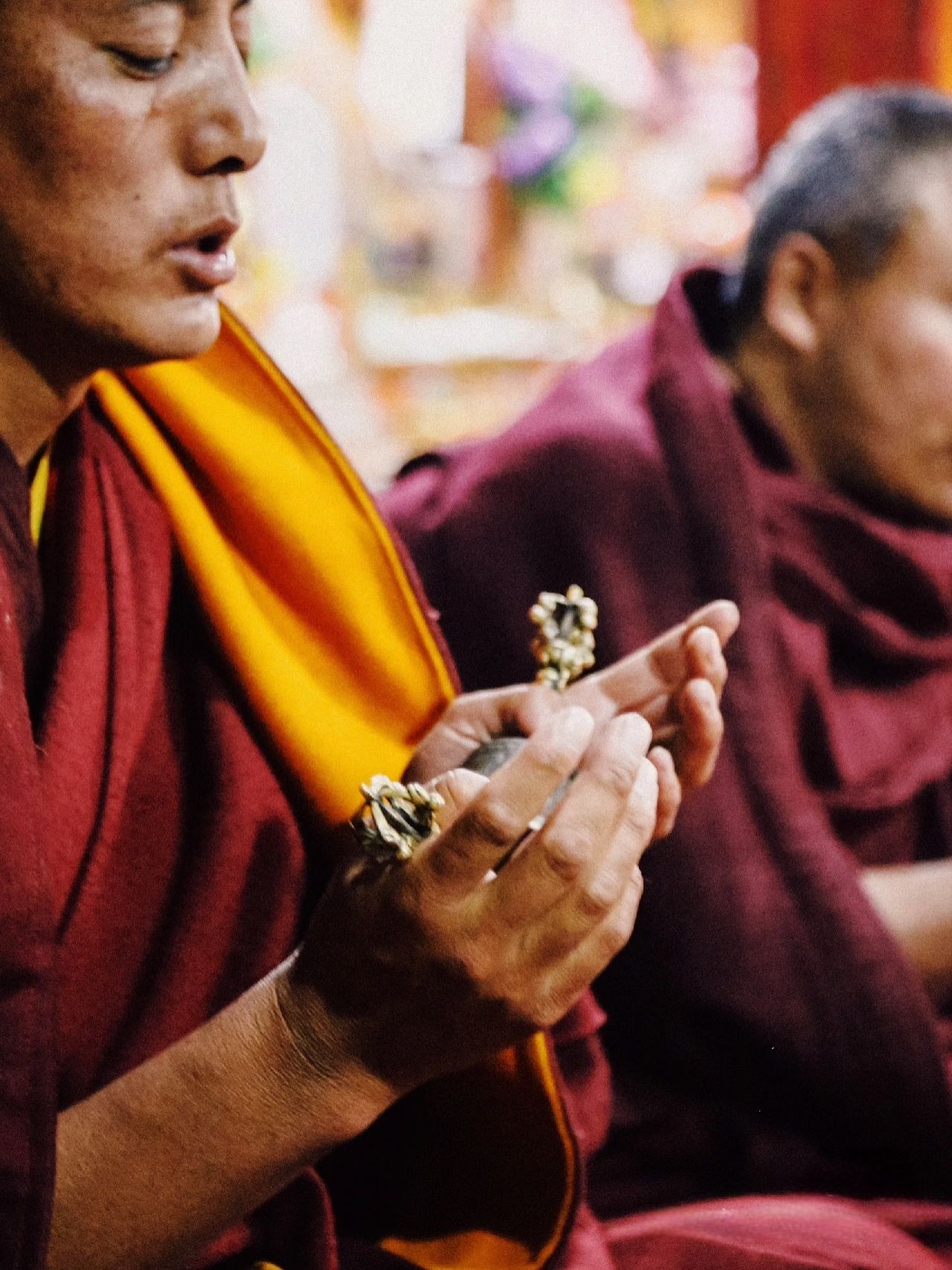
The origin of Gau Thangka is closely intertwined with the spread of Tibetan Buddhism and the nomadic lifestyle of Tibetans. After Thangkas emerged during the Tubo Period, they became an important carrier for Tibetans to worship the Buddha. However, scroll Thangkas were extremely inconvenient to carry for nomadic life. Therefore, Tibetans painted miniature Thangkas on brocade, sheepskin or paper and placed them in metal Gau boxes, thus giving birth to Gau Thangka. In Tibetan, "Gau" means "amulet box". Initially, it was made by Tibetans to stay close to their faith and receive sacred protection at all times during their nomadic life. Later, it gradually became a personal token worn by Tibetans of all ages and genders, passed down to this day.
II. Implied Meaning: A Faith Carrier of Protection, Blessing and Peace
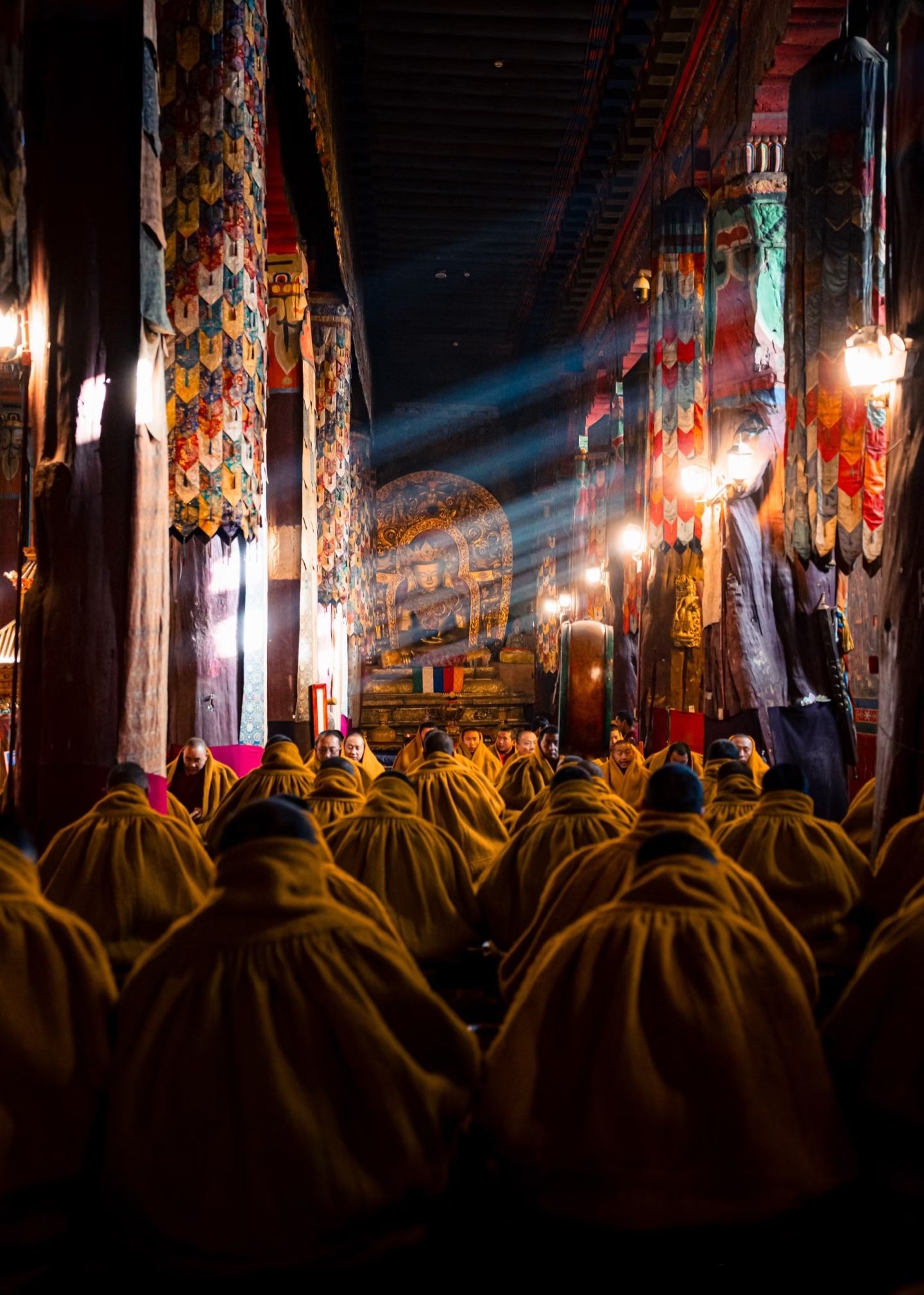
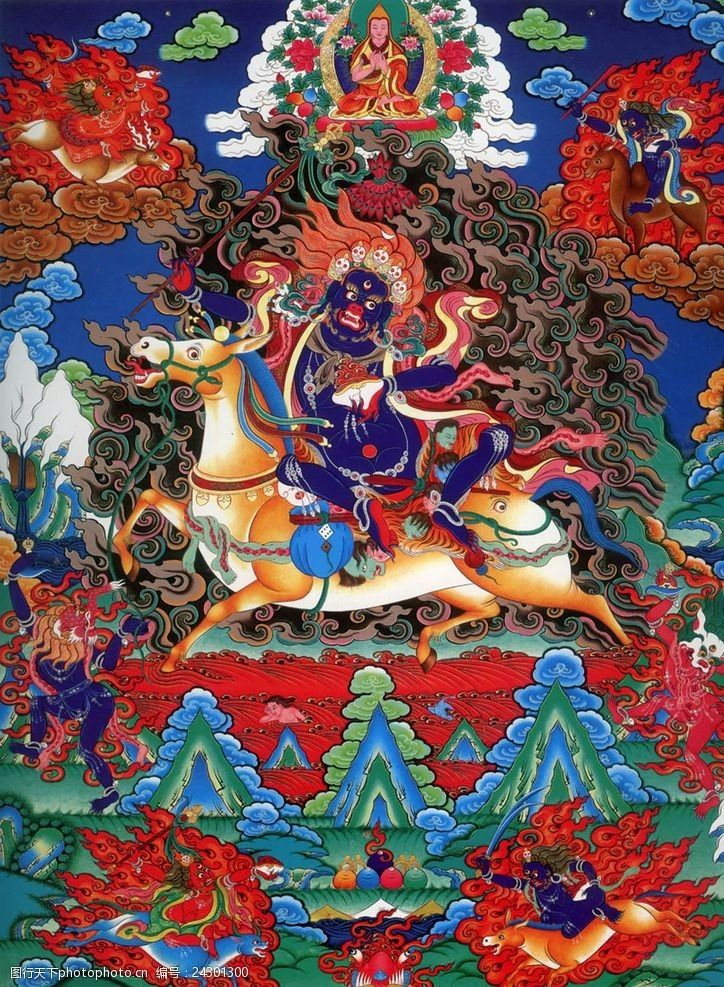
As a concrete embodiment of faith, the core implication of Gau Thangka revolves around protection, blessing and peace, with its painting themes varying according to the wearer's needs. The most common ones are images of Buddhas and Bodhisattvas such as Sakyamuni, Guanyin Bodhisattva and Manjushri Bodhisattva, symbolizing the dispelling of disasters and protection of peace. There are also themes like Guru Rinpoche and Yellow Jambhala, representing the empowerment of wisdom and the attraction of wealth and good fortune respectively. Additionally, there are auspicious patterns such as the Eight Treasures and Six-Syllable Mantra, carrying the beautiful wishes for a smooth life and the fulfillment of all aspirations. Every Gau Thangka is painted in strict accordance with the norms of the Thangka Iconometry Sutra, exerting profound Buddhist charm in a small space and serving as the "portable amulet" in Tibetans' hearts.
III. Value: Dual Religious and Practical Attributes Integrated into Daily Life
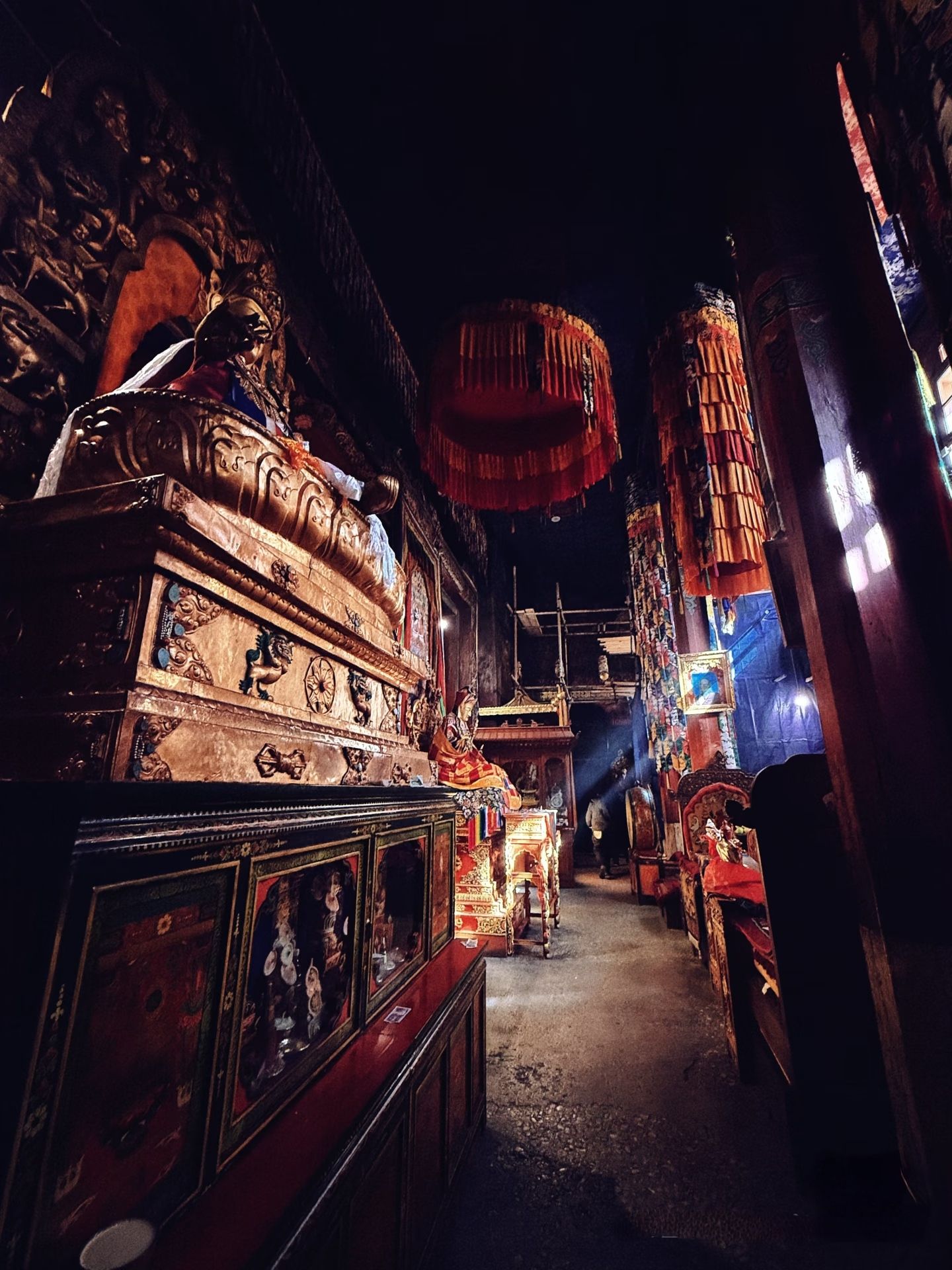
In Tibetan life, Gau Thangka possesses both religious and practical values, deeply integrated into daily routines. Religiously, it is a "mobile Buddhist hall" carried with the body. Tibetans wear it to recite scriptures and pray for blessings, feeling the companionship of faith at all times, and it is an indispensable token in important festivals or religious rituals. In daily life, it is a spiritual sustenance for Tibetans. Whether traveling or working, wearing a Gau Thangka brings inner peace, and it has also become a unique cultural symbol of Tibet. Today, with its unique cultural heritage and exquisite craftsmanship, Gau Thangka has become a popular treasure with both collection and decorative value, allowing Tibetan culture to reach the public in a more compact form.
IV. Craftsmanship: A Masterpiece of Ingenuity in a Tiny Space
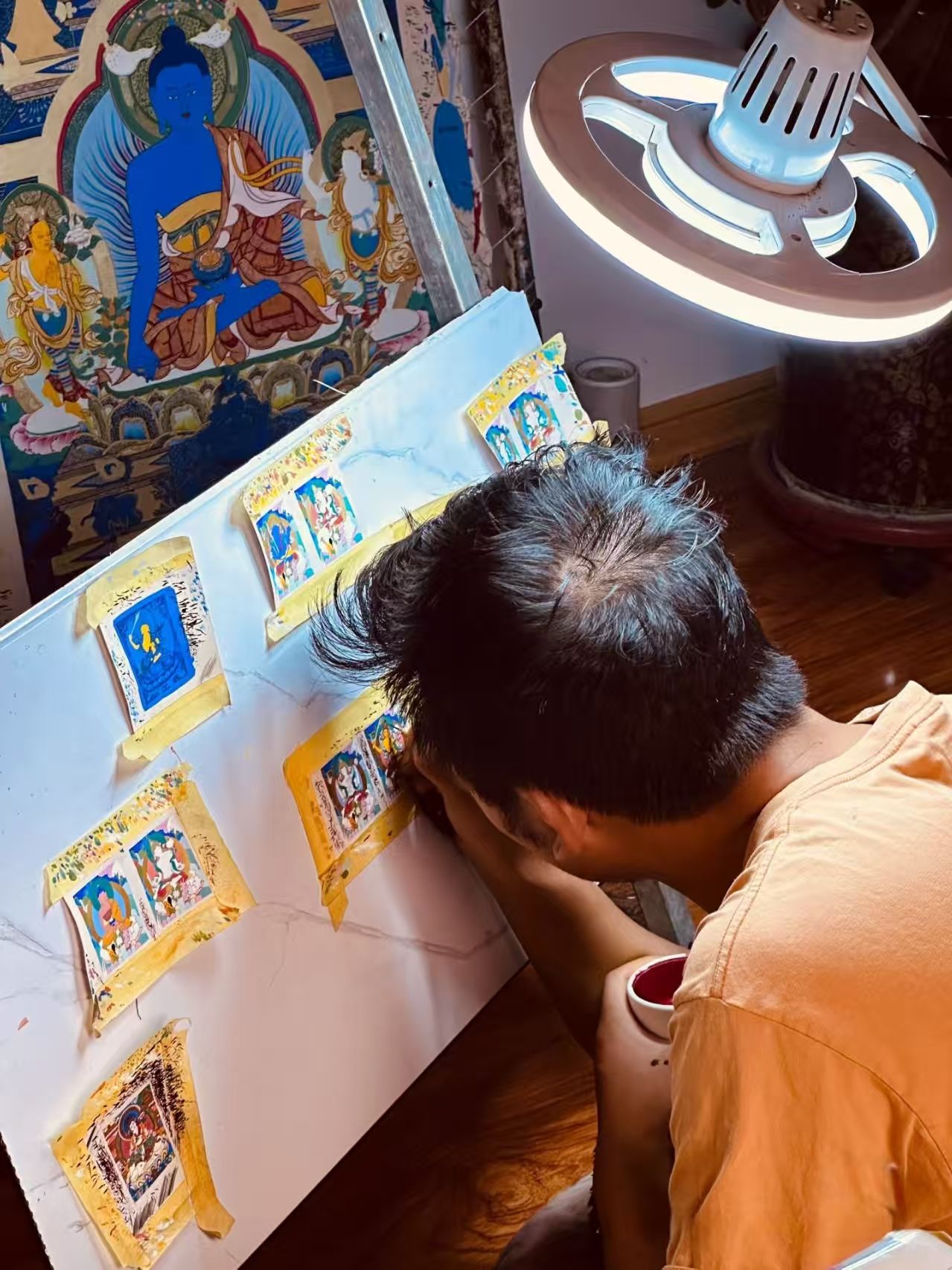
The production of Gau Thangka consists of two parts: the painting of miniature Thangka and the making of Gau box, featuring intricate craftsmanship and high-quality materials—each piece is a masterpiece of ingenuity. The painting of miniature Thangka follows the core process of Thangka production, but its small size places higher demands on the painter's skills. The canvas is mostly made of tough sheepskin, mulberry paper or brocade, which is polished and fixed for color retention. Pigments are mainly natural minerals, such as azurite, malachite, gold powder and cinnabar, which are finely ground and mixed with beef glue to ensure bright colors that do not fade over time. Painters must make precise sketches in accordance with the Iconometry Sutra, and complete line drawing, coloring and eye-dotting in one go. Eye-dotting is the most crucial step, requiring the painter to be completely focused and free of distractions. The Gau box is mainly made of silver and copper, some inlaid with Tibetan treasures such as turquoise, beeswax and coral. It is crafted through forging, carving and polishing, with shapes mostly round, square or stupa-shaped. The box body is carved with auspicious patterns like the Six-Syllable Mantra and auspicious clouds, which not only protect the internal Thangka but also add decorative beauty.
V. Wearing and Maintenance: With Reverence and Care